Cortisol weight gain: what the hormone can—and cannot—explain
Cortisol affects blood sugar, appetite, sleep and fat distribution, but everyday stress is rarely the sole explanation for a substantial weight change. The useful question is not simply whether cortisol is “high,” but whether your pattern of symptoms points to sleep disruption, medication effects, a common metabolic issue or a true cortisol disorder. Sleep, medication changes and underlying medical conditions can alter appetite or energy, so a weight trend alone may miss the cause.
What cortisol normally does
Cortisol is a hormone made by the adrenal glands under direction from the brain and pituitary gland. Levels usually rise before waking and fall toward bedtime, helping regulate alertness, blood pressure, inflammation and the availability of energy.
Short-term increases during illness, exercise or a stressful event are normal. Problems are more likely when cortisol exposure is persistently excessive, as in Cushing syndrome or prolonged treatment with corticosteroid medication.
- Helps maintain blood glucose between meals
- Supports the body's response to illness and injury
- Influences blood pressure, immune activity and sleep timing
- Varies by time of day, which matters when testing it
Stress is not the same as Cushing syndrome
Chronic stress can indirectly favor weight gain by disrupting sleep, increasing cravings and making activity harder. Cushing syndrome is a comparatively uncommon medical condition involving sustained excess cortisol and a more distinctive cluster of physical findings.
How cortisol may affect body weight
Persistently high cortisol can increase appetite, worsen insulin resistance and encourage fat accumulation around the abdomen and upper body. It may also reduce muscle mass, meaning body composition can change even when scale movement initially seems modest.
Weight gain alone cannot identify a cortisol problem. Calorie intake, menopause, sleep apnea, thyroid disease, depression, alcohol use, reduced activity and several medications are more common explanations.
- Track waist measurement as well as scale weight
- Note changes in hunger, sleep and physical activity
- Record new medications and dose changes
- Look for multiple symptoms rather than relying on fat location alone
Why belly fat is not a cortisol test
Abdominal fat is common and is influenced by age, genetics, total energy balance and metabolic health. Social-media descriptions such as “cortisol belly” are not medical diagnoses.
Supplements for Cortisol Weight Gain

LivPure
LivPure brings together silymarin, berberine, betaine and choline in a formula aimed at liver wellness, energy metabolism and cellular antioxidant defense. Silymarin and glutathione contribute antioxidant support, while betaine and choline are involved in normal liver fat processing. For cortisol weight gain, berberine and betaine make the formula relevant to metabolic wellness, though diagnosed endocrine conditions require their own care.

Ikaria Juice
Ikaria Juice approaches weight-management wellness through botanical antioxidants, citrus pectin and an inulin-and-probiotic digestive blend. Prebiotic inulin and the probiotic blend address digestive balance, while green tea and citrus pectin add distinct botanical and fiber components. As cortisol weight gain changes eating and digestion patterns, the inulin-and-probiotic blend emphasizes gut regularity.
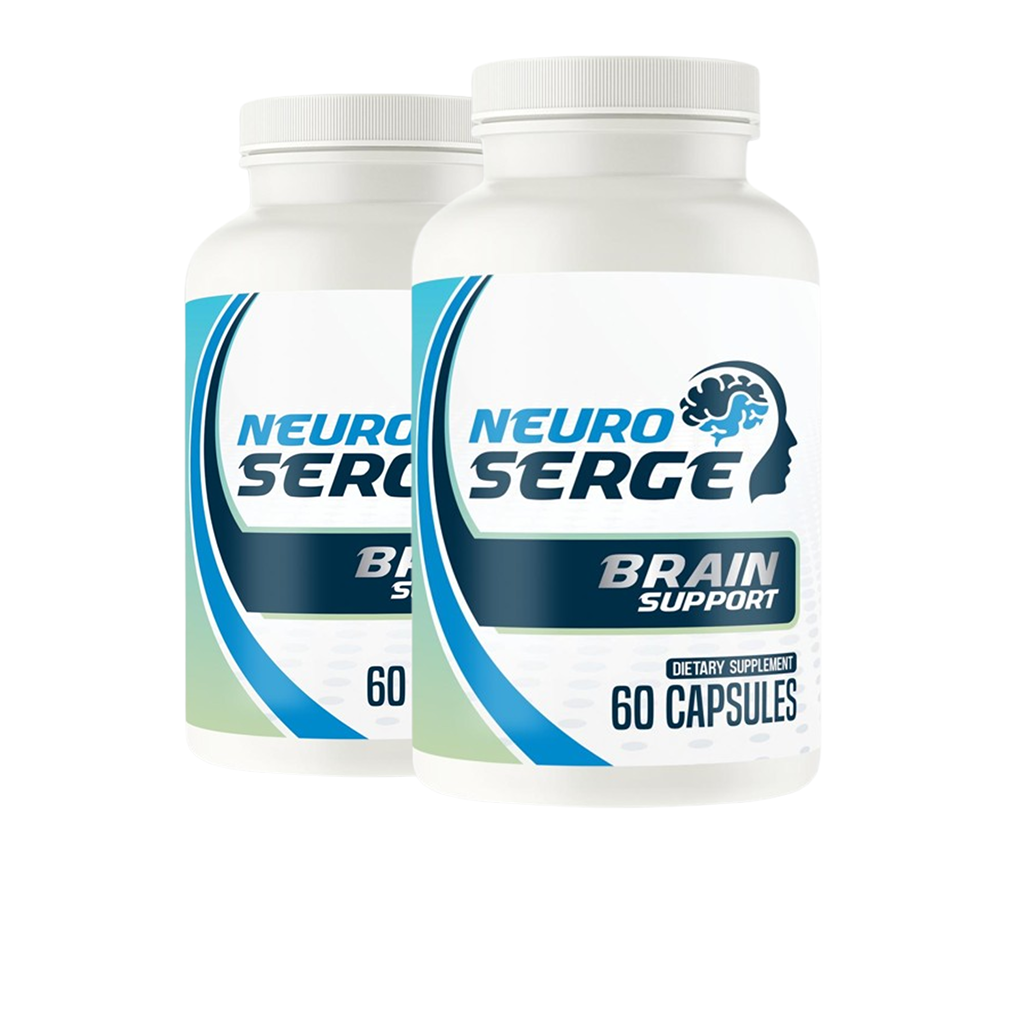
Neuro Serge
Neuro Serge is a multi-botanical nootropic designed around memory, focus and mental clarity rather than direct fat reduction. Its intended benefit is mental clarity and everyday focus; for people interested in cortisol weight gain, this remains a separate wellness objective rather than a direct weight-loss treatment.

Metabo Drops
Metabo Drops adds chlorogenic acid, green-tea extract, chromium, L-carnitine and L-theanine to coffee in an easy-to-mix liquid. Green tea and chlorogenic acid supply plant polyphenols, while chromium and L-carnitine give the formula its nutrient-metabolism focus. In the context of cortisol weight gain, chromium supplies a specific nutrient involved in normal glucose metabolism.

Java Burn
Java Burn combines green tea catechins and chlorogenic acids with chromium, L-carnitine and L-theanine in a single-serving coffee powder. The formula pairs a coffee-friendly metabolic blend with L-theanine for focus and B vitamins for normal energy-yielding metabolism. In the context of cortisol weight gain, chromium supplies a specific nutrient involved in normal glucose metabolism.

HepatoBurn
HepatoBurn centers on liver wellness and normal fat processing, with silymarin, choline, betaine, berberine and green-tea polyphenols. Choline and betaine support normal liver lipid metabolism, while silymarin, glutathione and resveratrol add an antioxidant emphasis. For cortisol weight gain, berberine and betaine make the formula relevant to metabolic wellness, though diagnosed endocrine conditions require their own care.

AquaBurn
AquaBurn focuses on botanical energy and metabolic support through green tea, fucoxanthin, ginger, ginseng and antioxidant-rich plant extracts. The blend emphasizes antioxidant protection and energy processes through green tea, resveratrol, ginseng and seaweed carotenoids. For cortisol weight gain, the botanical combination emphasizes daily energy and antioxidant support, not hormone replacement.

Flat Belly Shake
Flat Belly Shake is designed around the convenience of a prepared drink when planning breakfast, snacks and daily calorie intake. The main practical benefit is convenience and portion planning; it should be evaluated as food by checking the full nutrition panel. For cortisol weight gain, its specific nutritional purpose can complement routine health management without replacing medical evaluation.

Nagano Tonic
Nagano Tonic is a powdered drink mix made with botanicals and nutrients including camu camu, green-tea EGCG, mangosteen, ginger and inulin. Its formula is promoted for daily metabolic, energy and digestive support; it is not a substitute for balanced nutrition or medical care. When comparing options alongside cortisol weight gain, review the ingredient label and seller terms before ordering.
A practical first check
For two to four weeks, record morning weight under consistent conditions, waist circumference once weekly, sleep duration, alcohol intake, activity and major symptoms. This provides more useful information than reacting to normal day-to-day changes caused by fluid, sodium or digestion.
Bring the record and a complete medication list to a clinician if weight continues to rise without a clear reason. Include pills, inhalers, injections, creams and supplements because steroid exposure can come from several routes.
- Use the same scale at roughly the same time
- Focus on the weekly trend, not a single reading
- Measure waist at the same anatomical point
- Do not stop a prescribed steroid abruptly
When to seek medical care
Arrange an evaluation if weight gain is rapid, persistent or accompanied by muscle weakness, easy bruising, wide purple stretch marks, menstrual changes, new diabetes, difficult-to-control blood pressure or unusual bone fractures. A clinician can decide whether cortisol testing or a broader workup is appropriate.
Seek urgent care for severe weakness, confusion, chest pain, shortness of breath or symptoms of dangerously high blood sugar or blood pressure. These symptoms are not specific to cortisol but should not be managed with a supplement or home hormone test. Look for patterns across meals, sleep and symptoms, and discuss abrupt or persistent changes with a health professional.
- Mention any past or current corticosteroid use
- Report the pace and distribution of weight change
- Ask whether sleep apnea, thyroid disease or medication effects should be assessed
- Request clear instructions before any timed hormone test
Frequently Asked Questions
Stress can change appetite, sleep and activity, which may produce gradual weight gain. Large or rapid changes deserve evaluation for medications, metabolic conditions, fluid retention and other causes rather than being attributed to stress automatically.
No. Abdominal fat has many causes, and some people with cortisol excess have other prominent findings such as muscle weakness, bruising, high blood pressure or abnormal glucose.
Improved sleep, regular activity and gradual fat loss may improve overall metabolic health, but they do not treat an autonomous cortisol-producing disorder. Suspected Cushing syndrome requires medical assessment.